
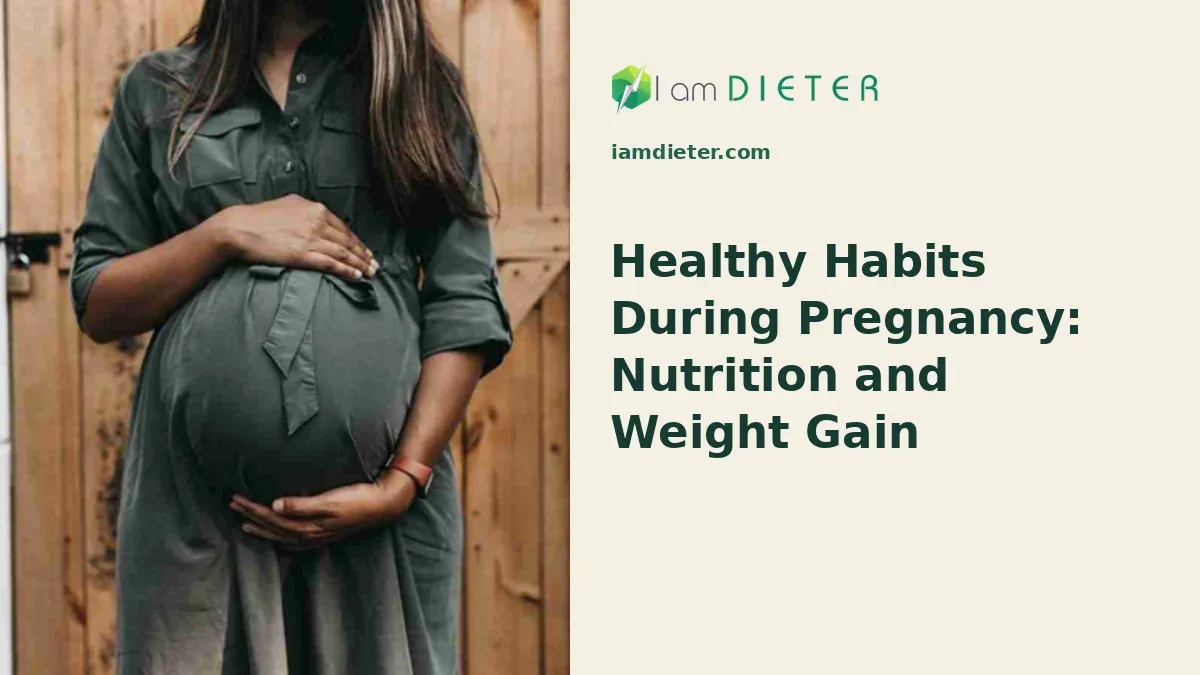
During pregnancy, adequate and varied nutrition, regular prenatal care and activity suited to your health are important. Weight gain is a natural part of pregnancy. No single number suits everyone; the expected range depends on pre-pregnancy body mass index, the number of babies and maternal and fetal health.
How much weight gain is expected during pregnancy?
The US Centers for Disease Control and Prevention (CDC) lists general ranges for total pregnancy weight gain, not monthly goals. These ranges are educational and do not imply that pregnant people should restrict food intake or try to lose weight.
| Pre-pregnancy BMI | One baby (approx. kg) | Twins (approx. kg) |
|---|---|---|
| Below 18.5 | 12.7–18.1 | 22.7–28.1 |
| 18.5–24.9 | 11.3–15.9 | 16.8–24.5 |
| 25–29.9 | 6.8–11.3 | 14.1–22.7 |
| 30–39.9 | 5–9.1 | 11.3–19.1 |
Source: CDC — weight gain during pregnancy. The figures have been converted from pounds to kilograms (1 lb = 0.45359237 kg) and rounded to one decimal place. The twin range for those who began pregnancy underweight is based on a different study from the Institute of Medicine recommendations. Discuss your own circumstances with your healthcare provider, particularly in pregnancies with three or more babies, BMI of 40 or above, or other complications.
Healthy eating habits during pregnancy
Focus on adequate, varied meals rather than a fixed calorie target. Include protein sources such as fully cooked eggs, meat, poultry and legumes; washed fruits and vegetables; whole grains such as oats and brown rice; and pasteurised dairy. Choose foods you can tolerate if nausea affects your appetite.
Prenatal vitamins and supplements
Before and during pregnancy, discuss such supplements as folic acid, iron and vitamin D with your healthcare provider. Do not add supplements solely on the basis of general lists; your clinician can consider your history, tests and current supplements. Do not stop or change prescribed medication on your own.
Food safety
Choose pasteurised milk and cheese, wash produce, and cook meat, poultry and eggs thoroughly. Keep raw and cooked foods separate and refrigerate perishable foods in accordance with storage instructions. The CDC food safety guidance for pregnancy provides examples of safer choices.
Movement and rest
Walking and swimming can suit some pregnant people after medical evaluation. The CDC recommends moderate aerobic activity for most pregnant people without contraindications; your clinician can help you choose an appropriate type and duration. Do not use activity as a way to lose weight during pregnancy. Ask your clinician or physiotherapist for pelvic floor guidance if needed.
Fluids, sleep and emotional support
Drink regularly and discuss your needs with your clinician if persistent nausea or another condition affects your fluid intake. There is no universal amount suitable for everyone. Set aside time for rest and sleep, and seek support from family and your care team if anxiety persists.
When should I seek medical advice?
Contact your care provider if your weight changes suddenly, if nausea and vomiting prevent you from eating or drinking, or if you experience other concerning symptoms. Your baby's growth and your health matter more than a number on the scale alone.
Sources
- CDC — weight gain during pregnancy: ranges by BMI and number of babies, balanced nutrition and activity.
- CDC — safer food choices for pregnant women: food safety.
Notice: This information is for general education and is not medical advice.